
Restore More Than Your Hair. Restore Your Confidence.
Advanced FUE & FUT Hair Transplantation by Dermatology Experts using scientifically planned hairline design, meticulous graft handling and long-term hair preservation strategies.
Hair loss is more than a cosmetic concern—it can affect confidence, self-image and quality of life. At CUTIS, every hair transplant begins with understanding why your hair loss occurred before planning the most suitable restoration strategy.

 Safe. Advanced. Trusted by Thousands.
Dermatologist-led care with proven long-term results.
 20+
Years of Experience
20+
Years of Experience
 15,000+
Successful Procedures
Expert
Dermatologists & Surgeons
Advance
Technology & Safety
15,000+
Successful Procedures
Expert
Dermatologists & Surgeons
Advance
Technology & Safety
 98%
Patient Satisfaction Rate
98%
Patient Satisfaction Rate
 Long Term
Hair Preservation Approach
Long Term
Hair Preservation Approach

Why Hair Loss Happens
Hair loss is a progressive biological process rather than simply a sign of ageing. In most men and many women, androgenetic alopecia is driven by genetic sensitivity of hair follicles to dihydrotestosterone (DHT). Over time, follicles gradually shrink, producing finer, shorter hairs until growth stops.
Other causes include autoimmune disorders, nutritional deficiencies, thyroid disease, stress, medications, traction alopecia, scarring alopecias and hormonal changes. Successful treatment depends on identifying the underlying diagnosis before considering surgery.
 Genetics
 DHT
DHT
 Thyroid
 Stress
 Nutrition
 Hormonal Changes
 Autoimmune Disorders
 Medications
Hair transplantation restores hair to bald areas but preserving
existing hair with medical therapy is equally important.
A combined approach gives you the best chance for natural, long-lasting results.
Medications
Hair transplantation restores hair to bald areas but preserving
existing hair with medical therapy is equally important.
A combined approach gives you the best chance for natural, long-lasting results.
Types of hair loss
Each condition requires a different management approach. Not every patient with hair loss is immediately suitable for transplantation.

Male Pattern Hair Loss
Progressive frontal and crown thinning driven by genetic DHT sensitivity.
Female Pattern Hair Loss
Diffuse thinning across the crown with a preserved frontal hairline.

Alopecia Areata
Autoimmune, patchy hair loss that can affect the scalp and body.

Traction Alopecia
Hair loss from prolonged tension — tight hairstyles or extensions.
Scarring Alopecia
Permanent follicle destruction requiring specialised evaluation.

Telogen Effluvium
Temporary, diffuse shedding triggered by stress, illness or deficiency.
Am I a candidate?
- Stable hair loss
- Adequate donor hair density
- Good general health
- Realistic expectations
- Controlled scalp conditions

Hair transplant vs. Medical therapy
Medical therapy slows or stabilises hair loss, while transplantation redistributes permanent follicles into thinning areas.
Medical Therapy
- Stabilises current hair loss
- Maintains existing hair
- Requires long-term management

Hair Transplant
- Restores hair to bald areas
- Adds permanent density
- Delivers a natural hairline
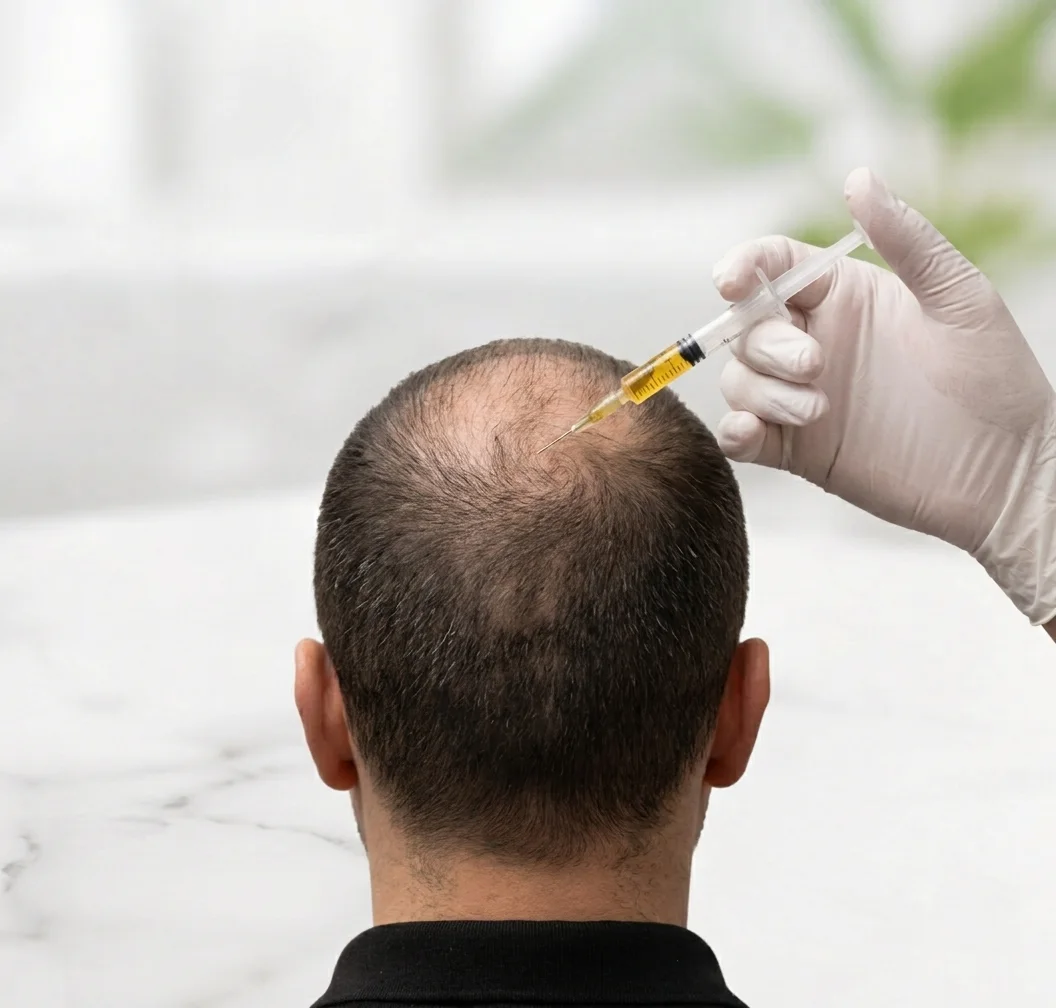
Medical options may include topical or oral medications, platelet rich plasma (PRP), growth factor therapies and selected regenerative treatments. For many patients, the best long-term outcomes come from combining medical therapy with transplantation.
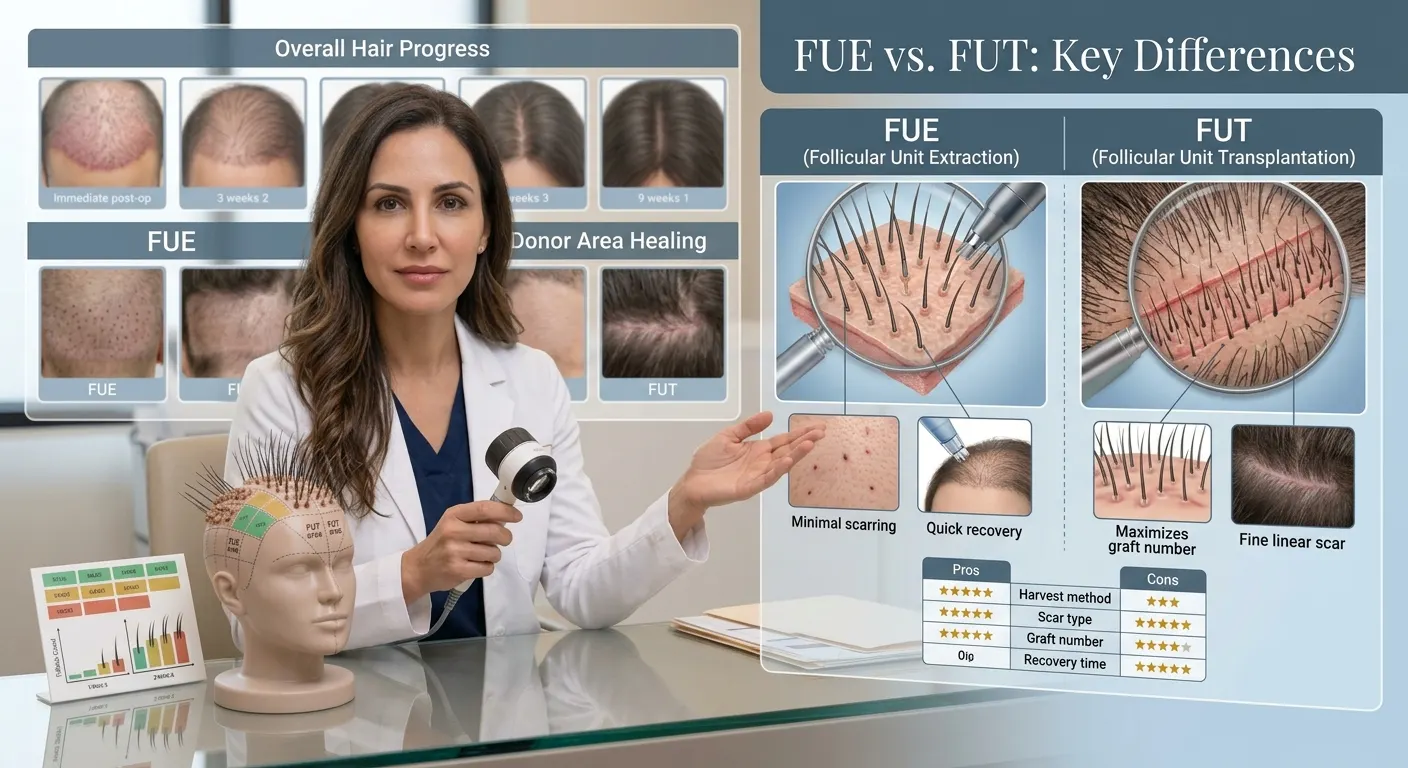
FUE & FUT explained
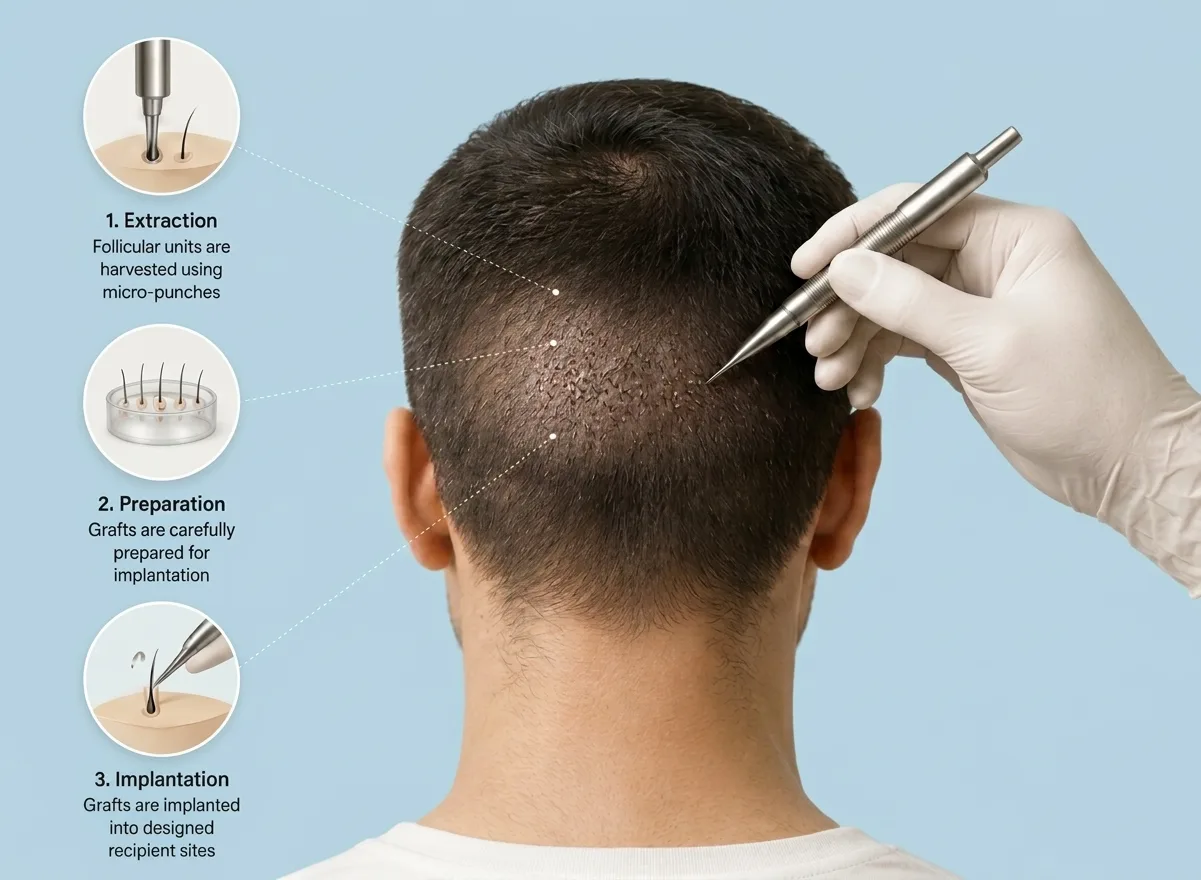
FUE — Follicular Unit Extraction
The most commonly performed hair transplantation technique worldwide. Individual follicular units are harvested from the donor area using specialised micro-punches and implanted into carefully designed recipient sites.
- Minimal visible scarring
- Faster recovery
- Natural donor appearance
- Shorter hairstyles
- High precision hairline design
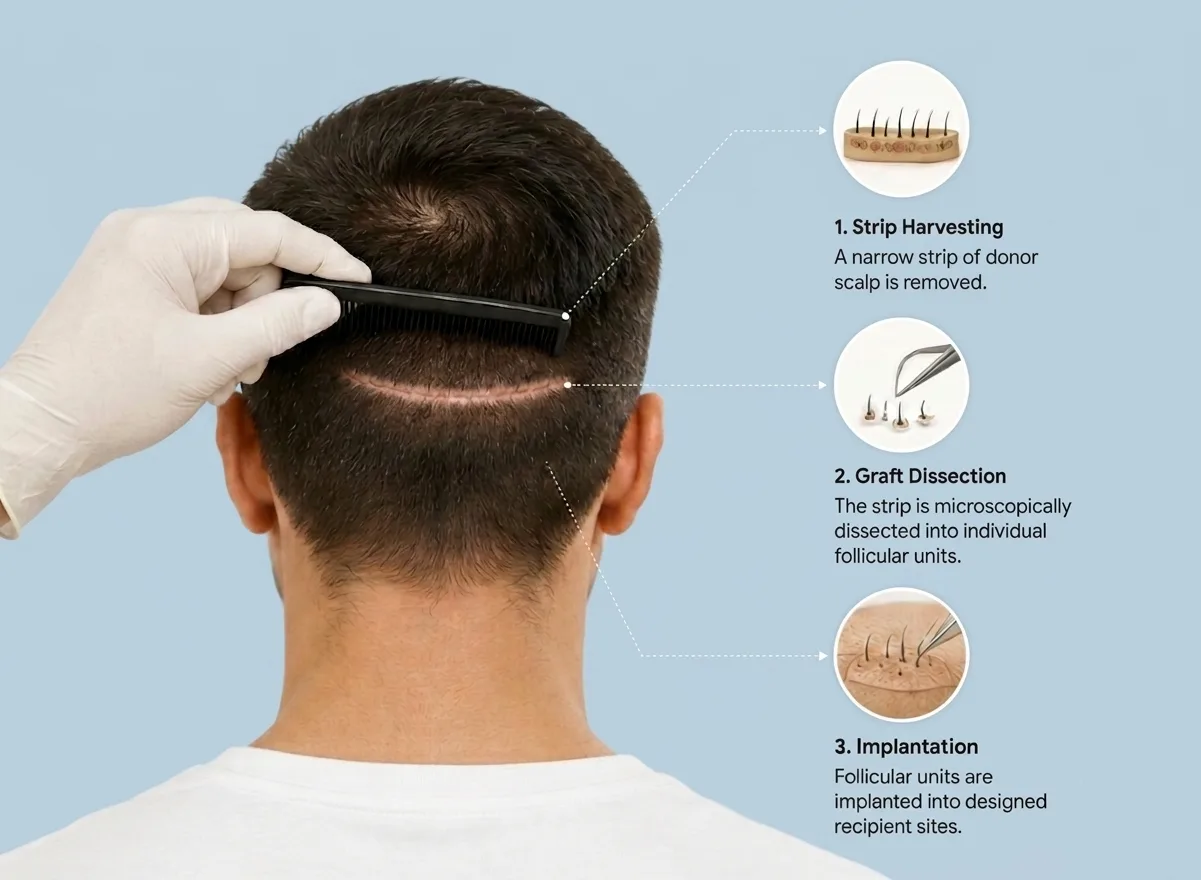
FUT — Follicular Unit Transplantation
Also known as strip harvesting — a narrow strip of donor scalp is removed and microscopically dissected into individual follicular units. Less commonly chosen today compared with FUE.
- Efficient for larger sessions
- Excellent graft quality
- Linear donor scar
- Slightly longer recovery
Procedure, step by step
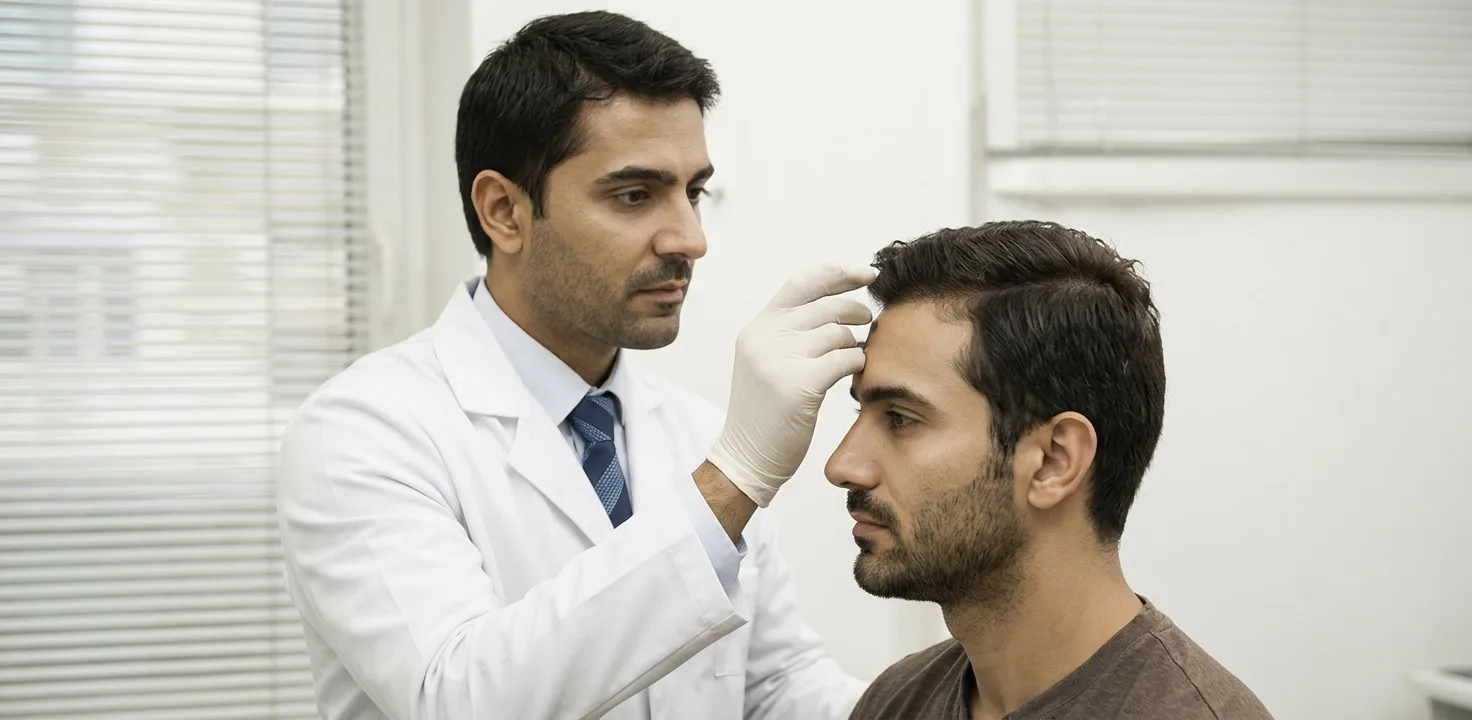
Every hair transplant at CUTIS begins with a detailed consultation, scalp examination and trichoscopic assessment — followed by a personalised plan built around your goals.
 01
01
Medical Assessment
- Diagnosis of the underlying cause of hair loss
- Review of medical history and medications
- Blood investigations when indicated
 02
02
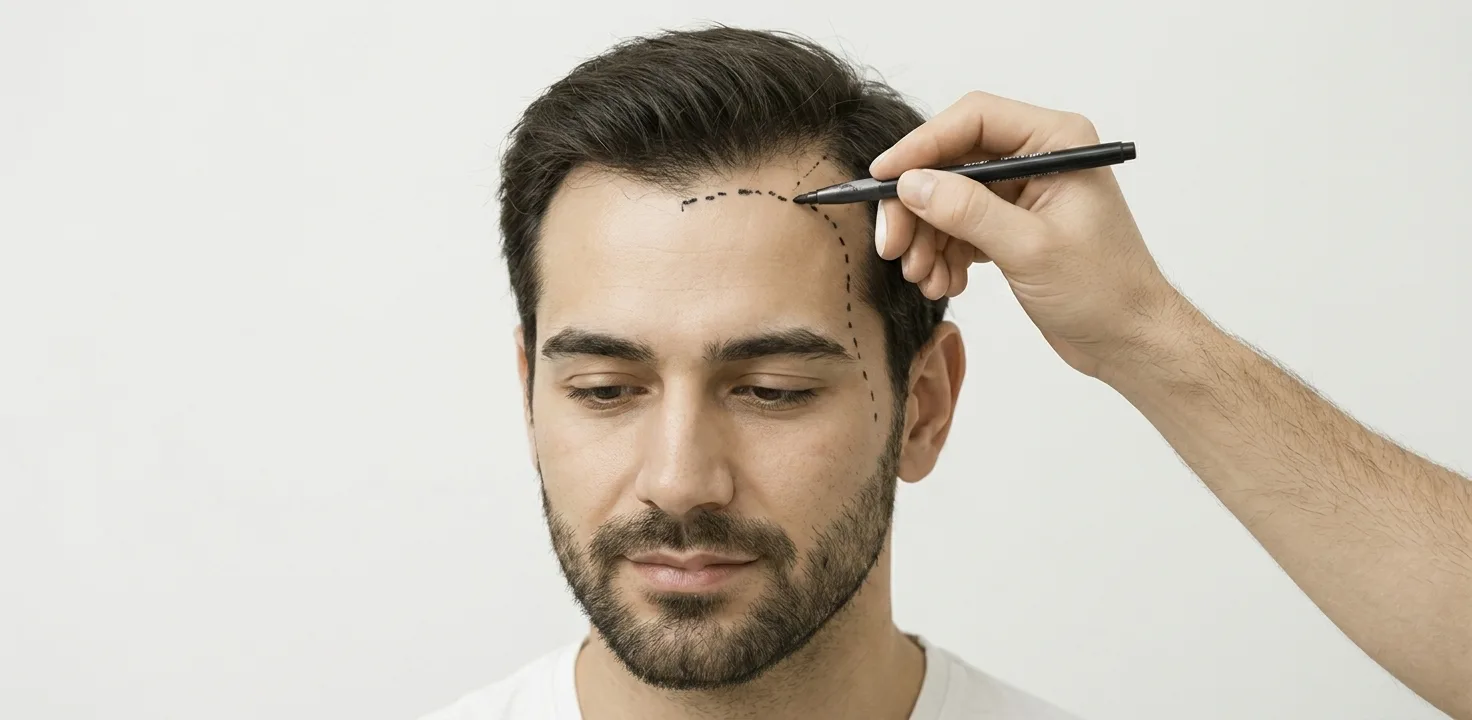
Hairline Design
The hairline is designed according to age, facial proportions, ethnicity and anticipated future hair loss to achieve a natural appearance.
 03
03
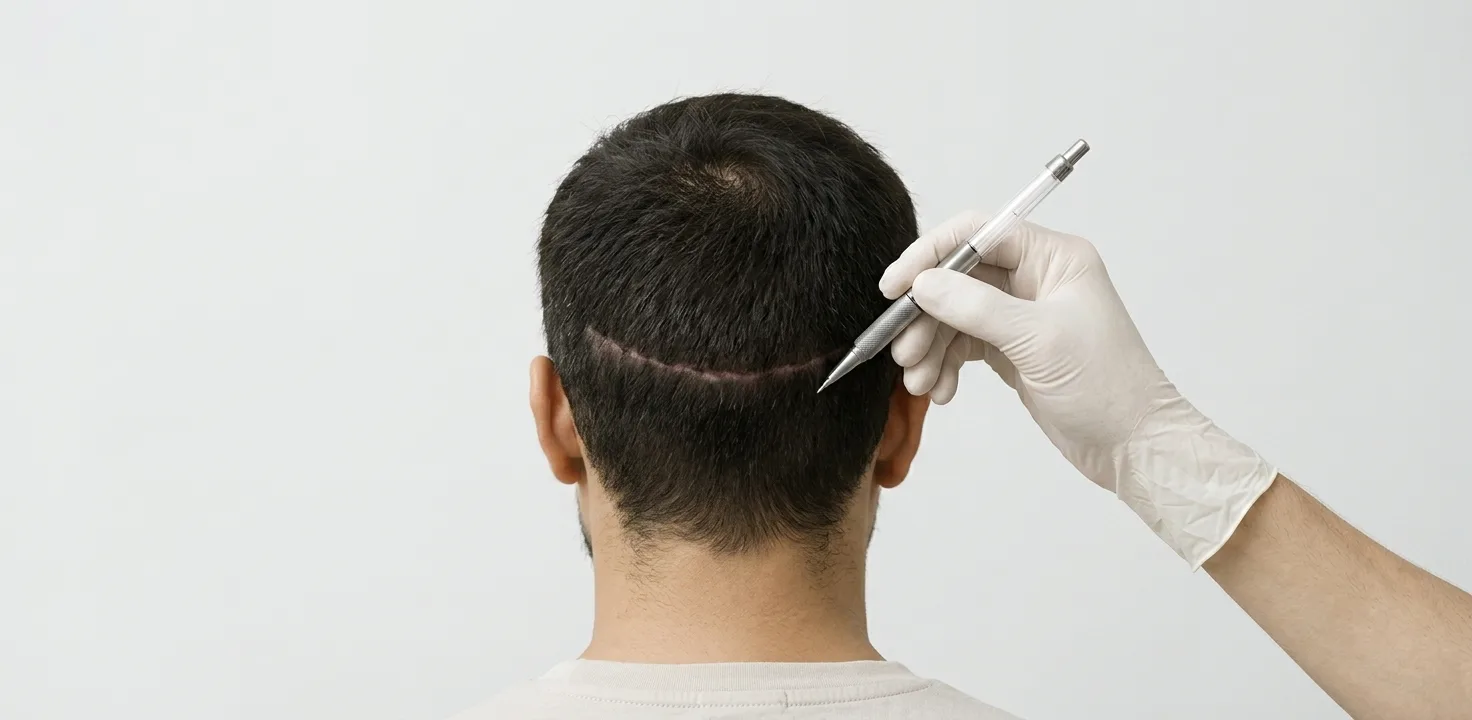
Donor Area Preparation
Healthy follicles are selected from the permanent donor zone.
 04
04
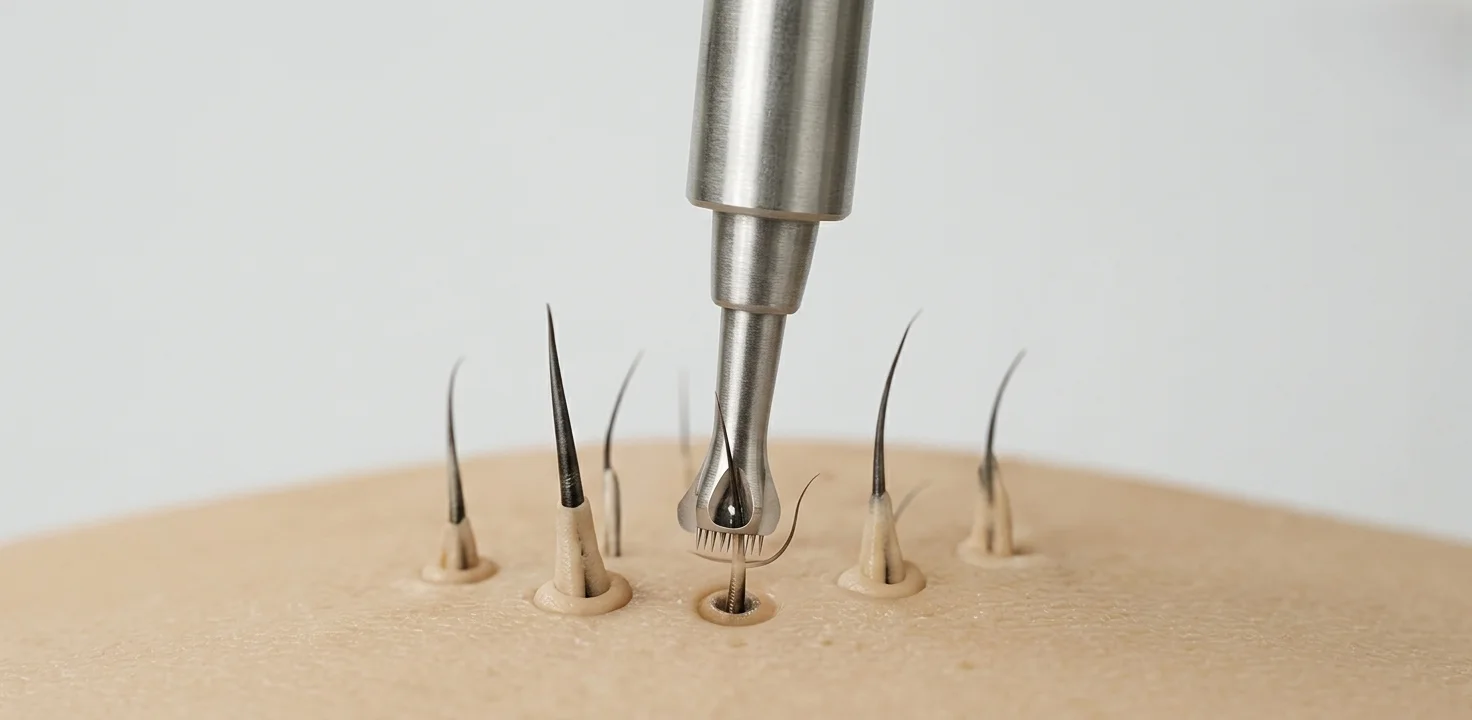
Follicle Harvesting
Using FUE or FUT techniques, grafts are harvested with meticulous handling to maximise survival.
 05
05
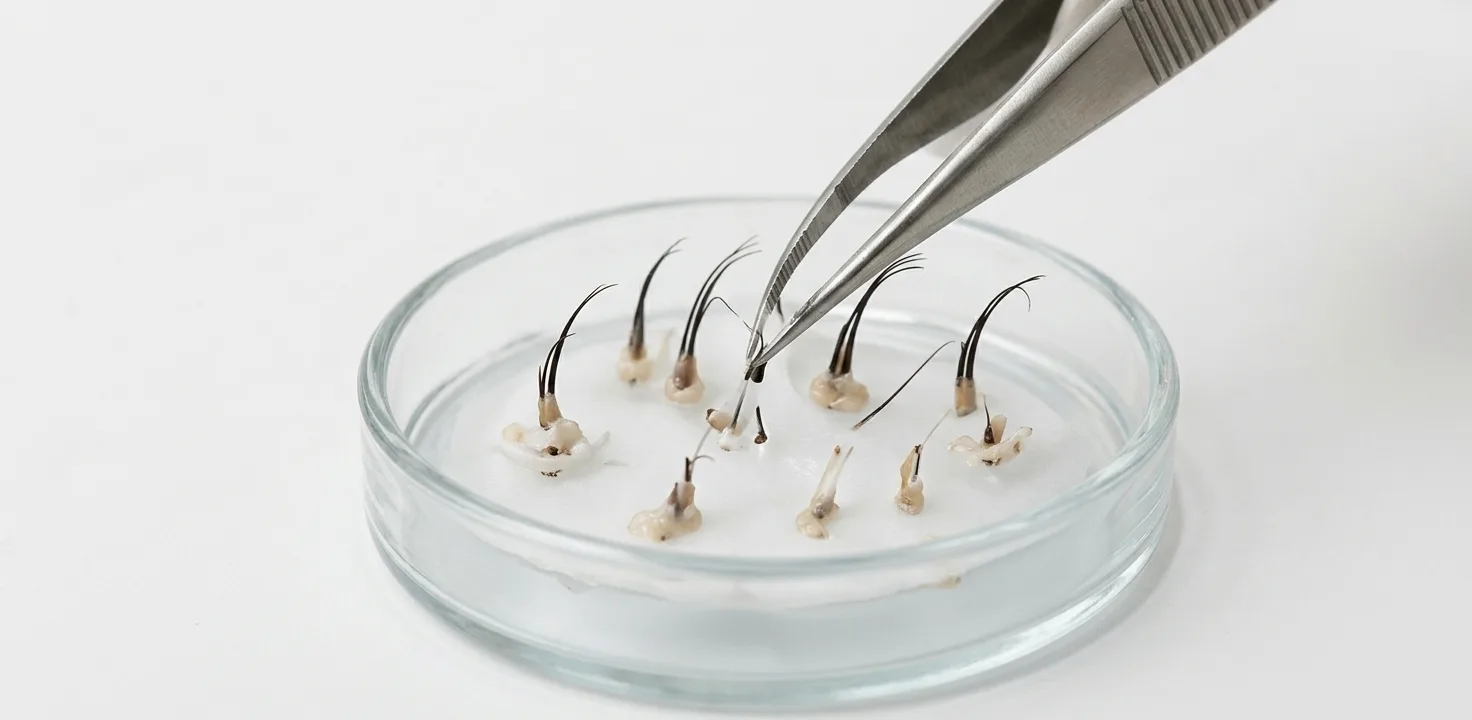
Graft Preparation
Follicular units are sorted according to hair count and preserved in specialised holding solutions.
 06
06
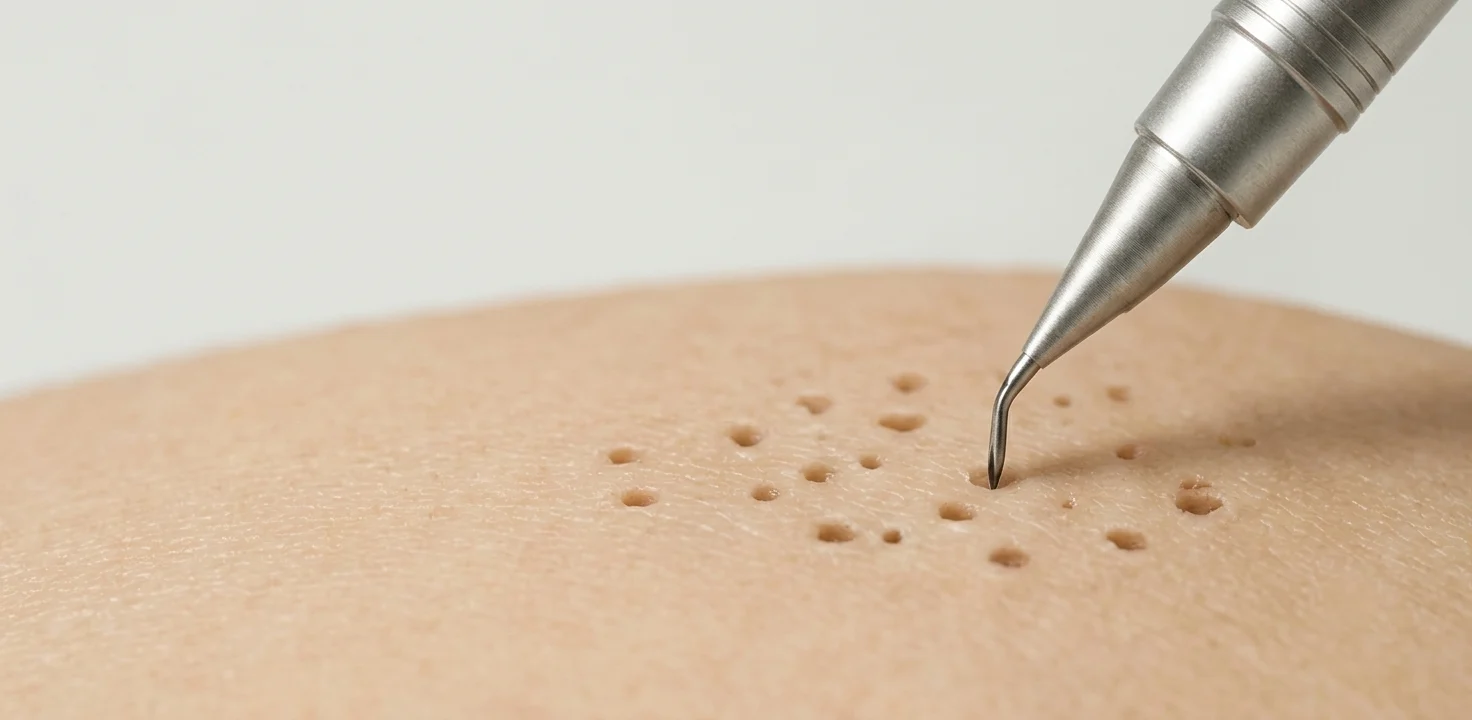
Recipient Site Creation
Micro-incisions are created with precise angle, direction and density to mimic natural hair growth.
 07
07
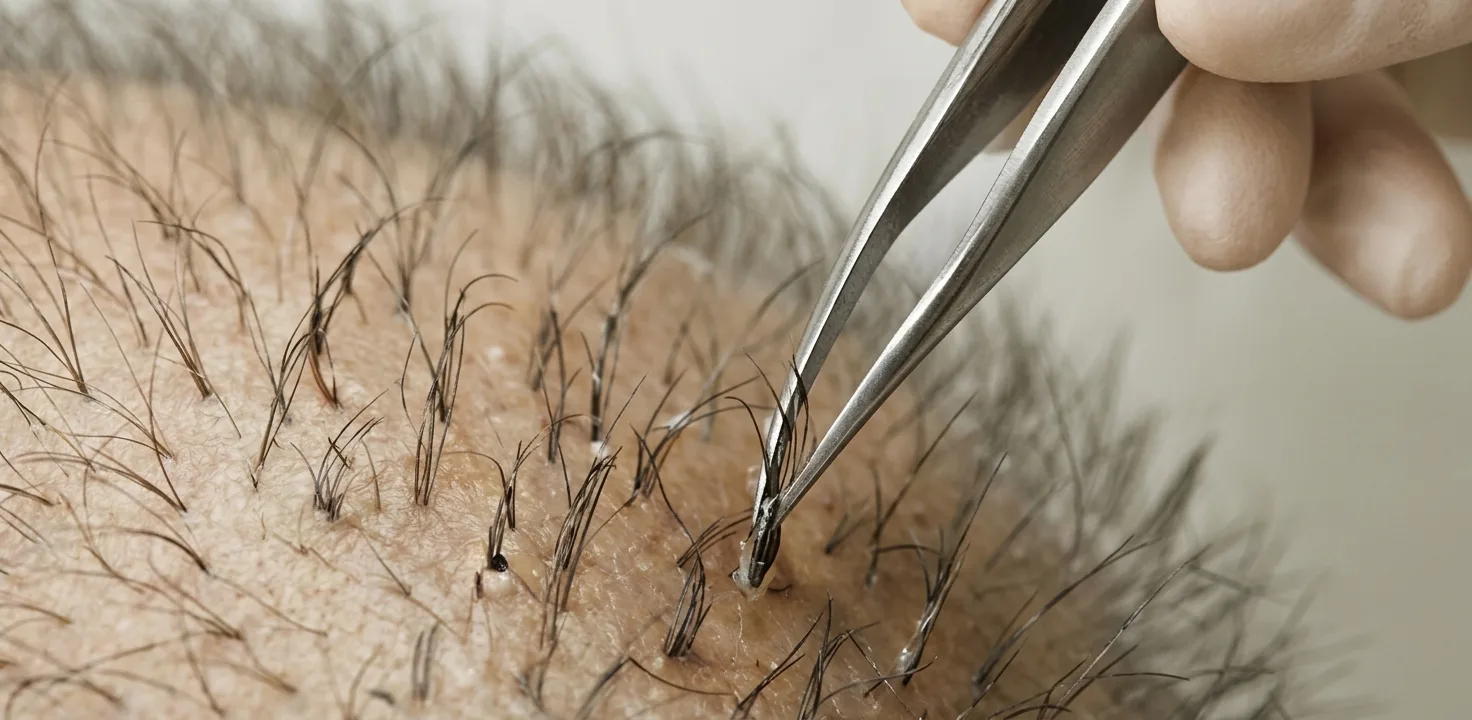
Implantation
Individual grafts are implanted with careful attention to aesthetics, density and symmetry.
 08
08
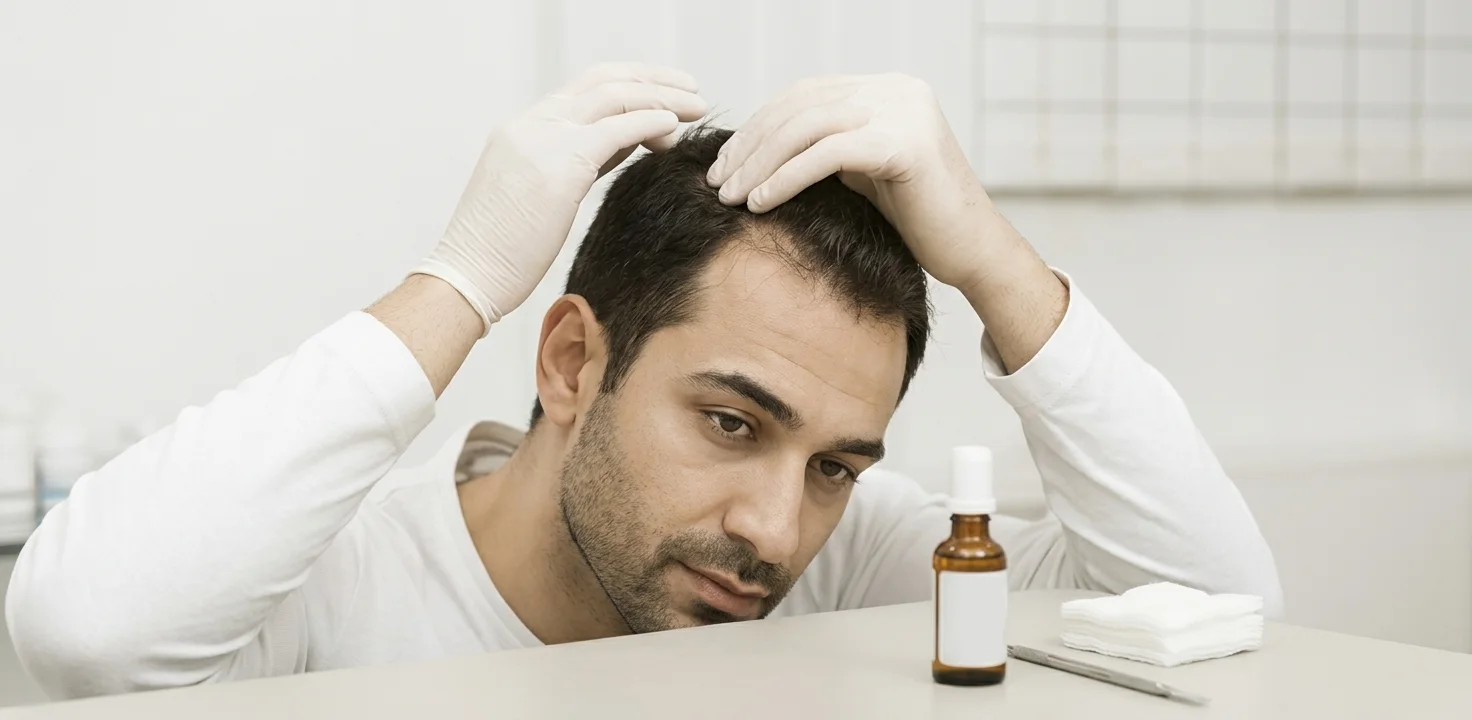
Post-Operative Care
Detailed aftercare instructions, medications and follow-up appointments are provided.
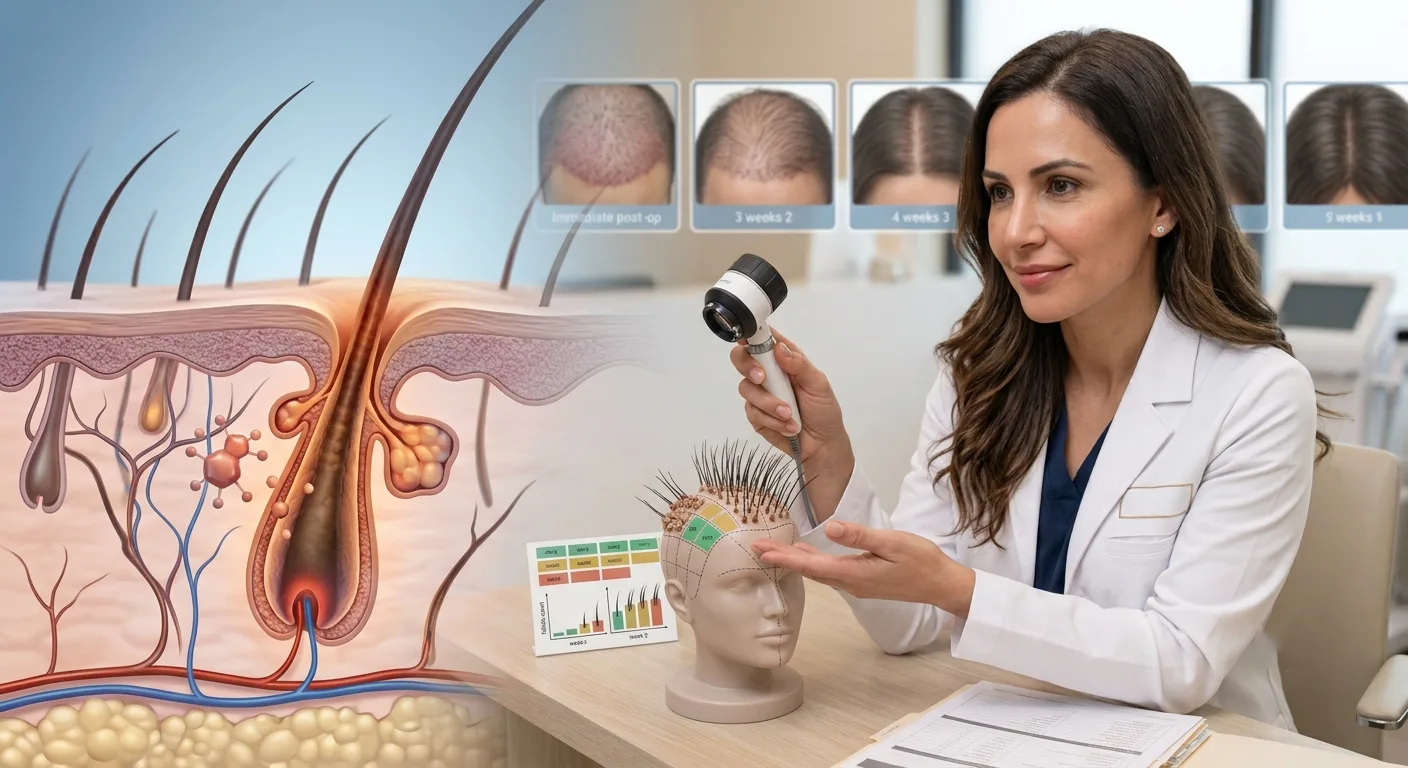
Recovery timeline
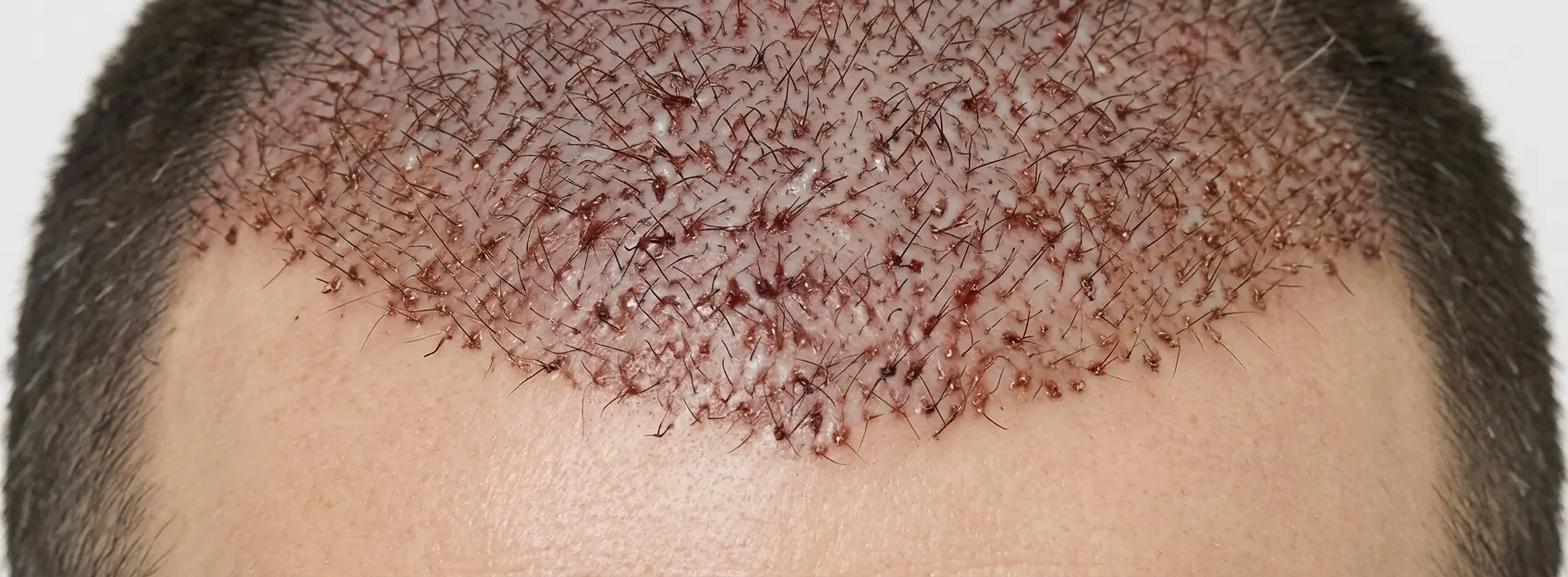
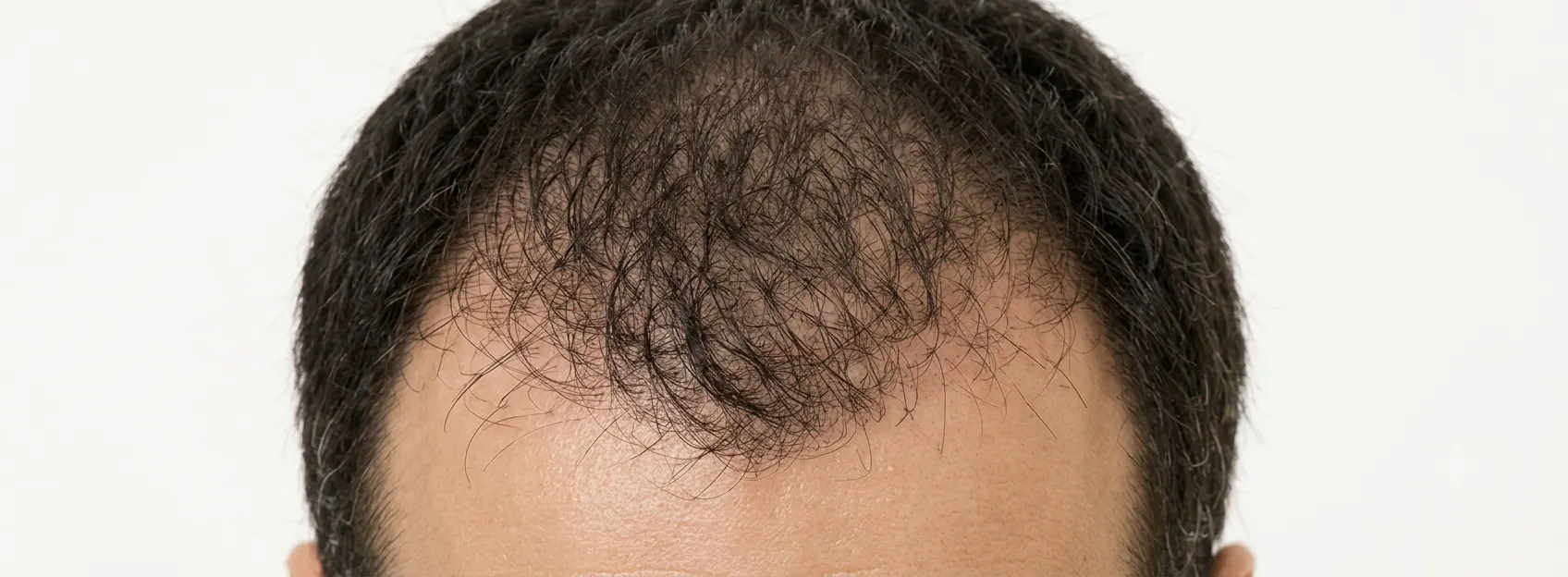
Initial Healing
Mild redness, swelling and tiny crusts are expected.
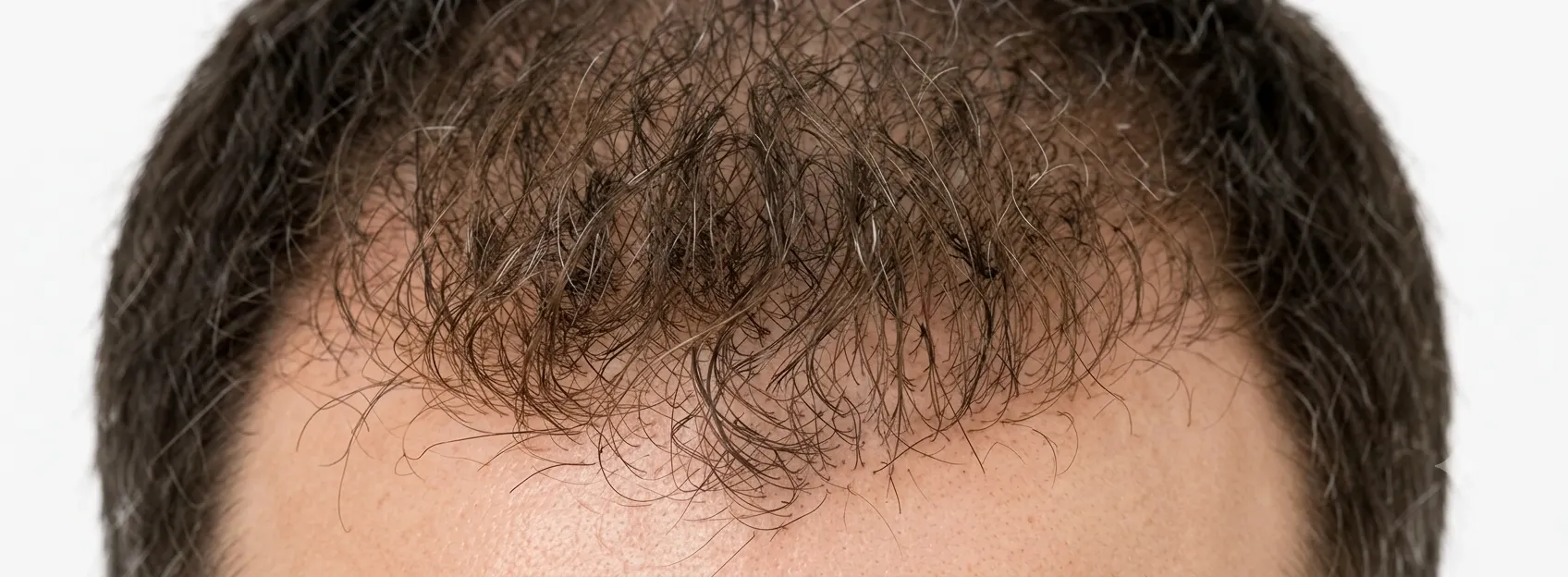
Back to Routine
Most patients resume office work. Crusts gradually shed.
Shock Loss Phase
Transplanted hairs commonly shed — a normal part of the cycle.
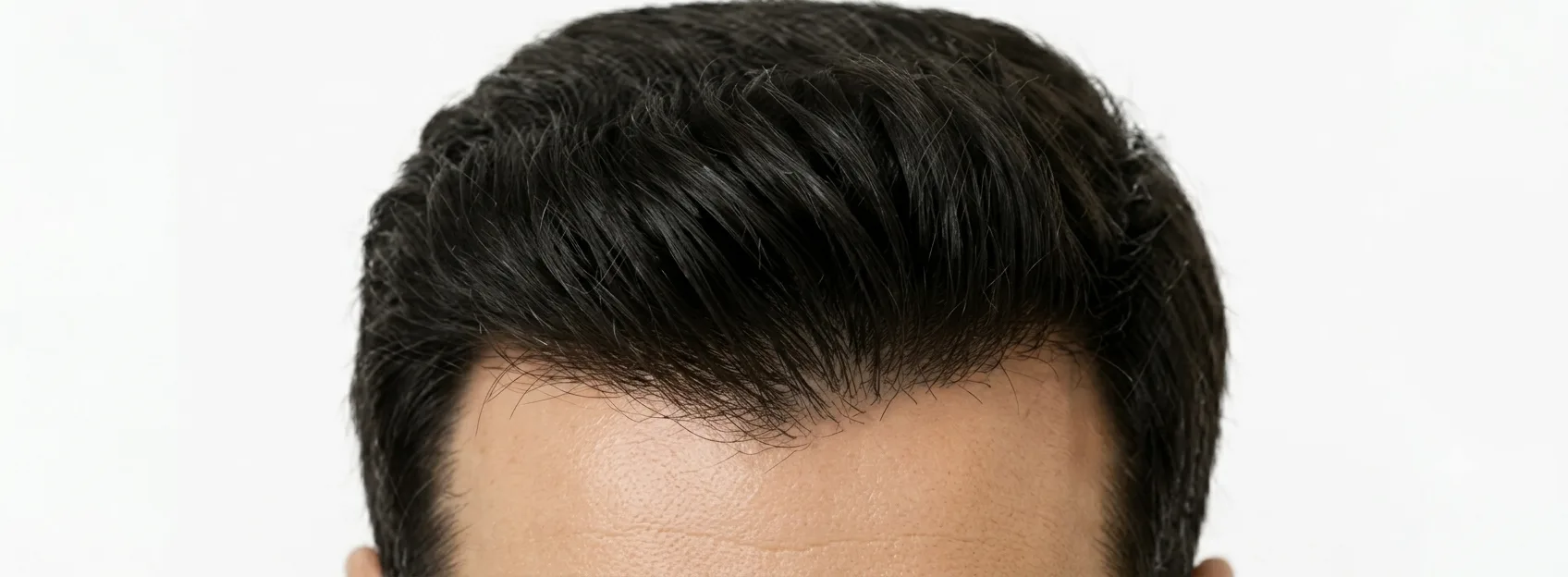
Regrowth & Density
Early regrowth begins, with significant density gains by month 9.
Results timeline
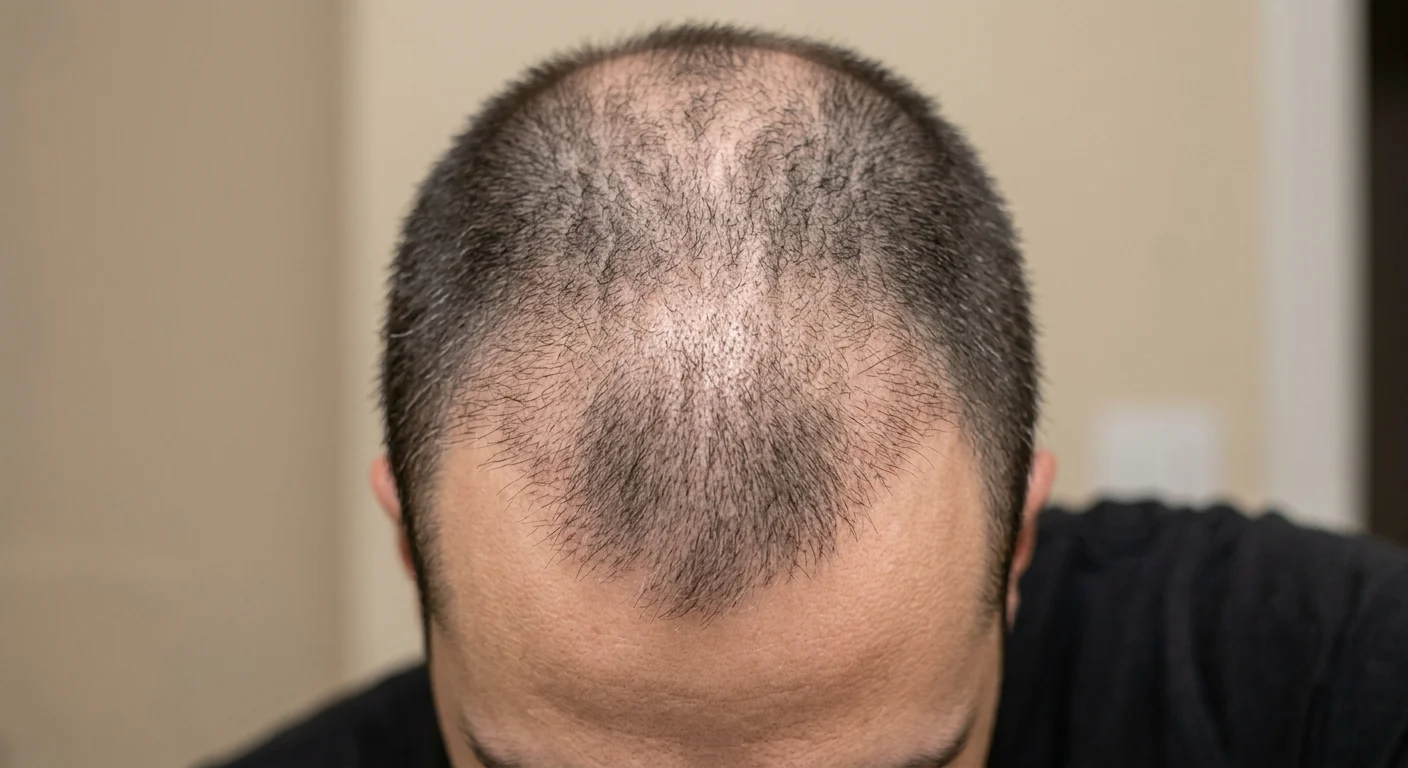
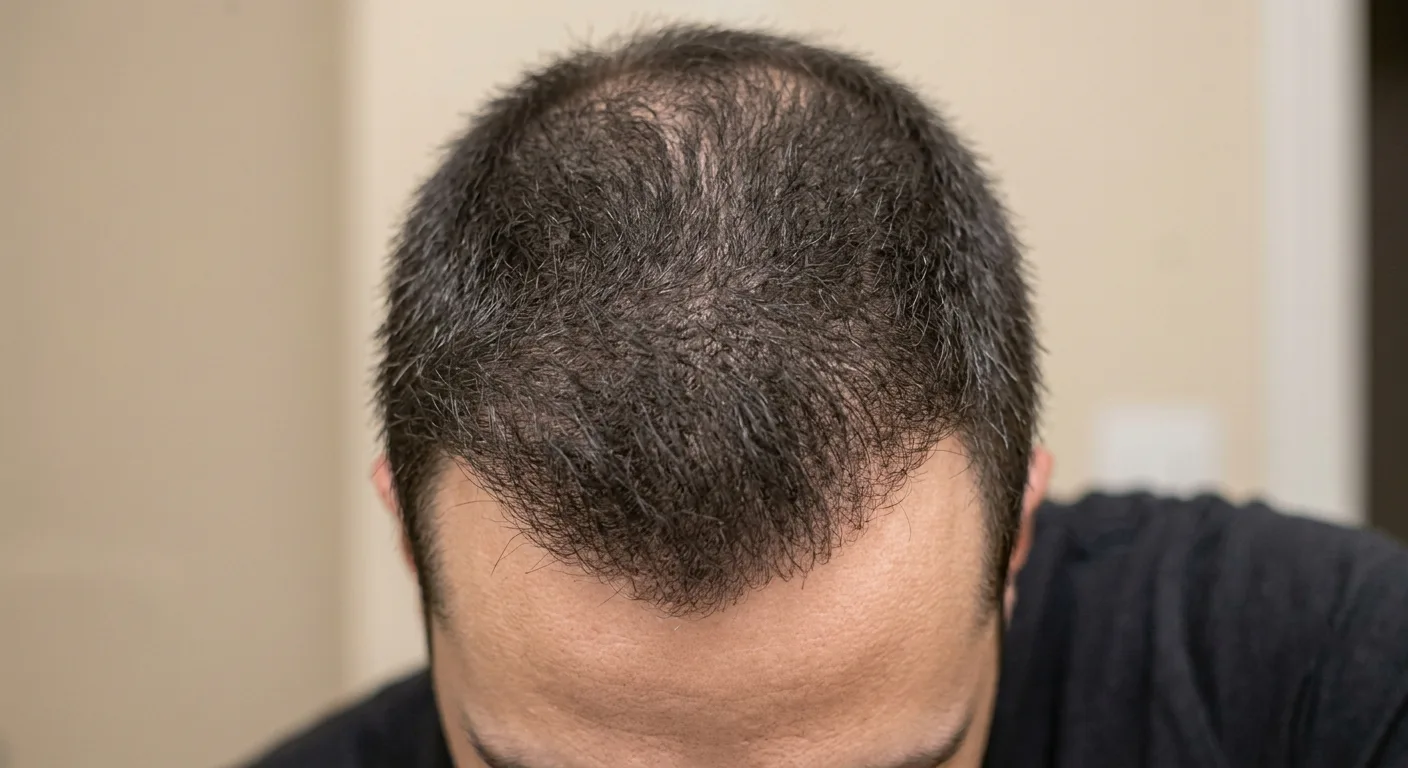
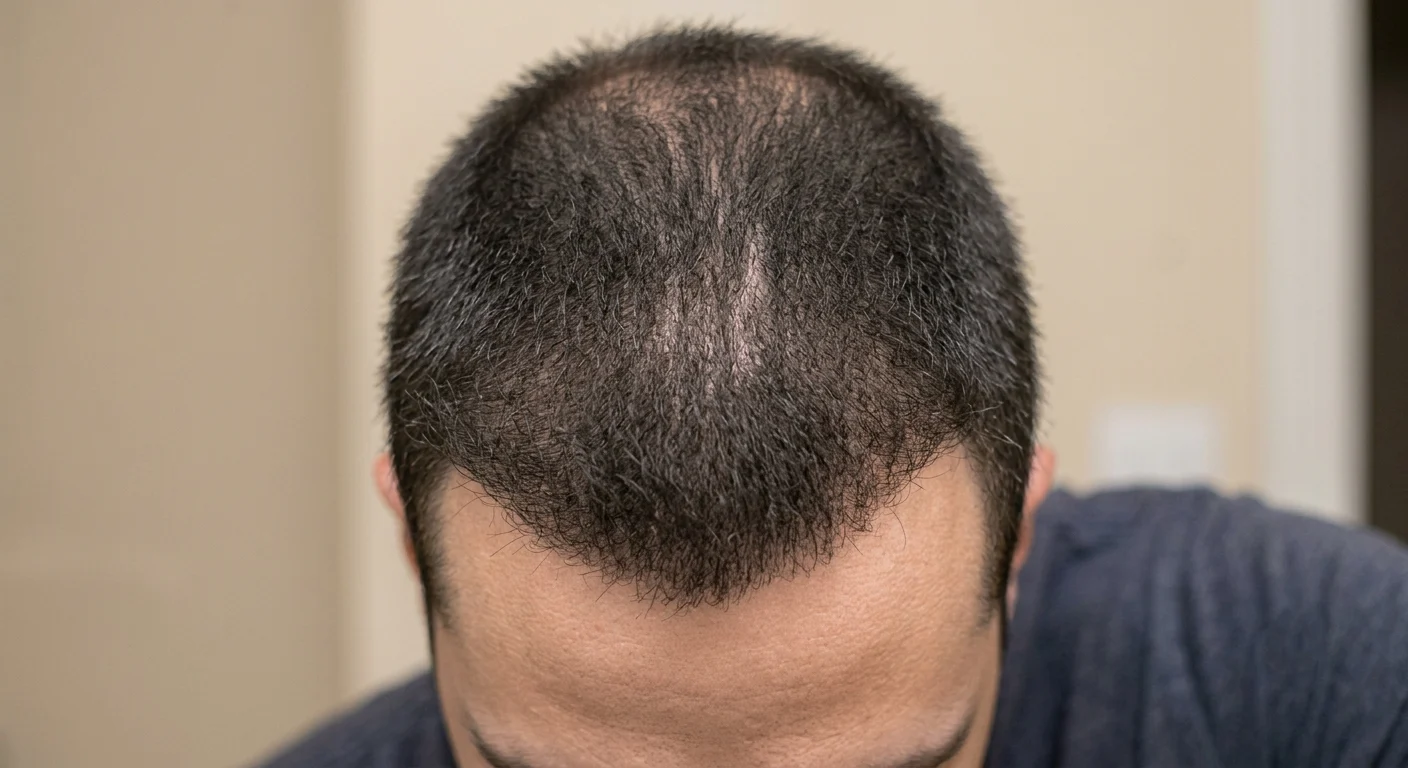
Hair transplantation requires patience. Transplanted follicles enter a resting phase before producing new hair — growth is gradual, with visible improvement month after month.
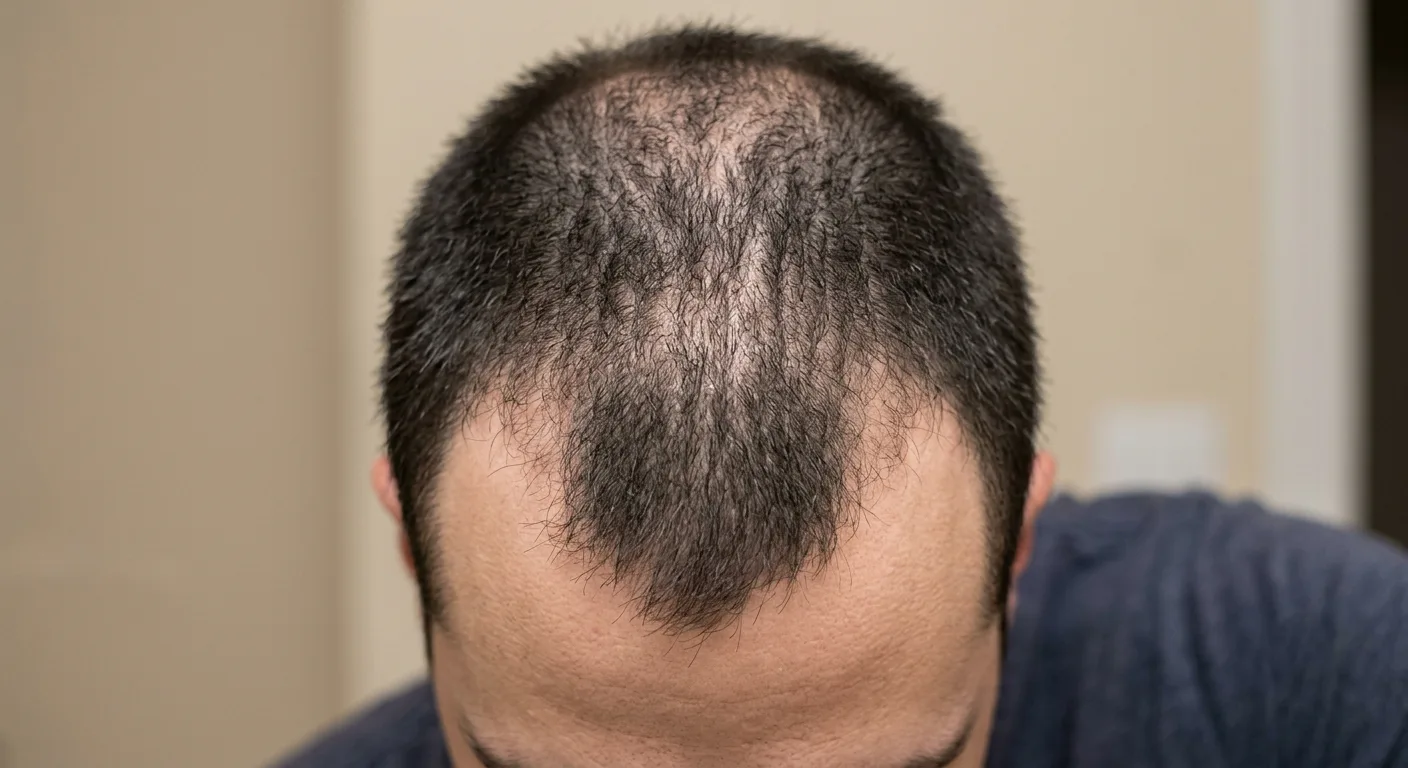
Before
Pre-procedure condition with visible hair loss.
Month 3
Initial new hair growth starts to appear.
Month 6
Growing thicker with improved coverage.
Month 12
Final result with good density and natural appearance.
Risks & safety
Hair transplantation is a safe, well-established procedure. As with any surgical treatment, understanding possible side effects helps you make an informed decision.

Temporary Swelling
Mild swelling around the forehead and eyes may occur and usually resolves within a few days.

Shock Loss
Transplanted hairs may shed in the first few weeks — temporary and part of the natural growth cycle.

Minor Bleeding
Slight bleeding during or after the procedure is normal and usually stops within a short time.

Scarring
Minimal scarring is possible. FUE leaves tiny dot scars, while FUT may leave a linear scar that fades over time.

Infection
Rare when proper sterile technique and aftercare instructions are followed. Antibiotics may be prescribed if needed.

Numbness
Temporary numbness or tingling in the donor or recipient area may occur and usually improves within weeks.
This information is provided for general education and does not replace a personalised medical consultation. Individual risk profiles vary and will be discussed in detail during your assessment.
Hair transplant cost guide
Hair transplant costs vary from person to person. The final plan is created after a detailed consultation and scalp assessment.
Number of Grafts
More grafts are required for higher coverage and density.
Hair Loss Stage
The extent and pattern of hair loss determine graft requirements.
Technique
FUE or FUT technique is selected based on suitability and goals.
Complexity
Hairline design, natural angle and density planning add to complexity.
Previous Surgery
Corrective cases may require more grafts and advanced planning.
PRP & Regenerative Therapies
Additional therapies can support healing and improve results.

Mild Recession
Early hairline thinning or mild temples.

Frontal Restoration
Receding hairline restoration and frontal coverage.
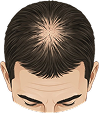
Crown Restoration
Thinning at the crown or vertex area.
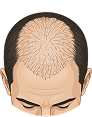
Extensive Baldness
Advanced hair loss requiring maximum coverage.
Choose expertise, graft survival and natural hairline design — not price alone. A personalised plan is essential for accurate assessment.
Why choose CUTIS
Hair transplantation is not simply about relocating follicles — it is about restoring confidence through scientific diagnosis, meticulous planning and artistic execution. Every treatment begins with understanding the cause of hair loss before recommending surgery.
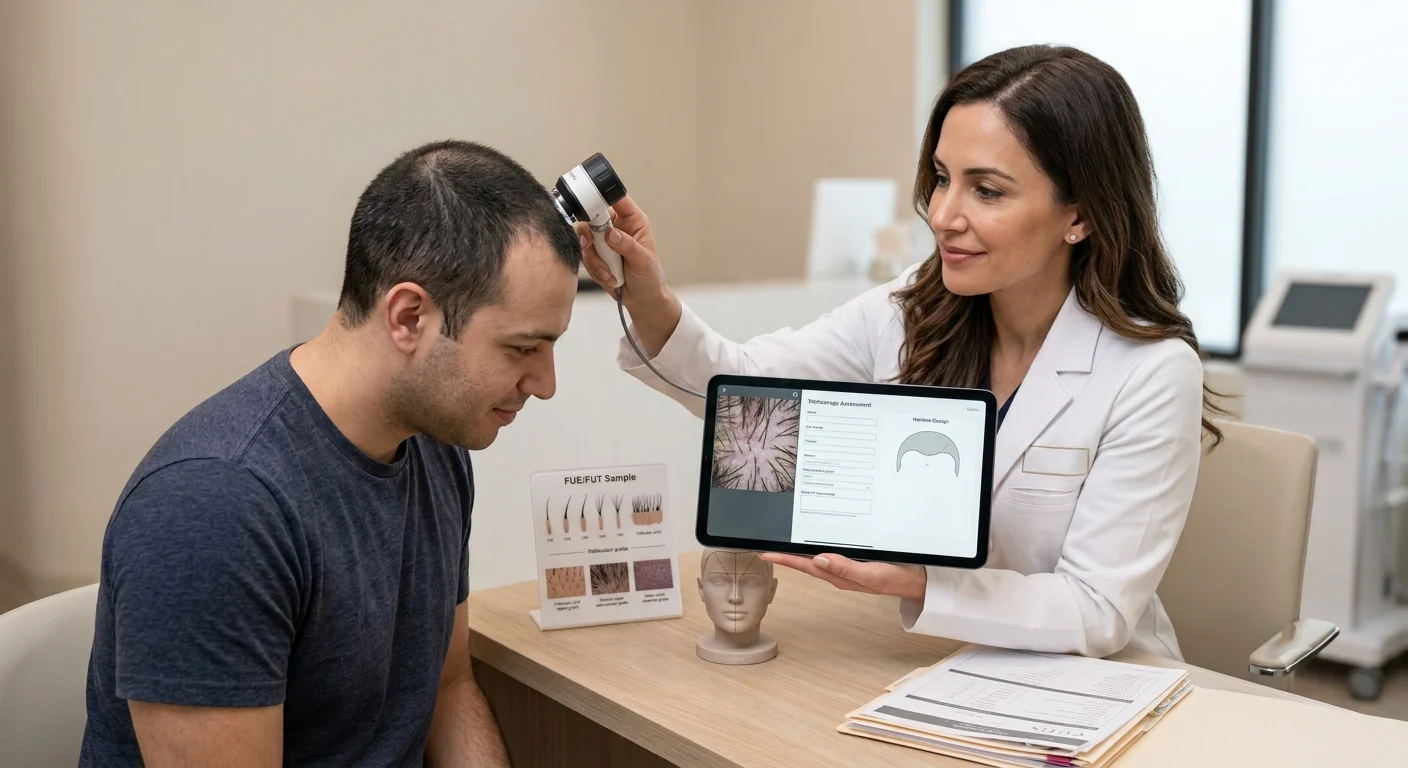

Dermatologist-Led Restoration
Expert care by dermatologists specialising in hair and scalp health.

Scalp & Trichoscopy Assessment
Detailed analysis for accurate diagnosis and treatment planning.
Personalised FUE & FUT Planning
Customised treatment plans using the most suitable technique for you.

Natural Hairline Design
Designed for facial proportions, age, ethnicity and future expectations.
Long-Term Hair Preservation
Strategies focused on preserving existing hair and slowing future loss.

Integrated Medical + Surgical Care
A comprehensive approach combining medical therapy and surgical expertise.
Awards & accreditation
Best Hair Restoration Clinic
2024
ISHRS Accredited Provider
Ongoing
Excellence in Dermatology
2023
Patient Safety Certification
ISO 9001A word from our lead dermatologist
Hear directly from our lead hair restoration dermatologist on how CUTIS approaches diagnosis, hairline design and long-term hair preservation for every patient.
Meet Our Doctors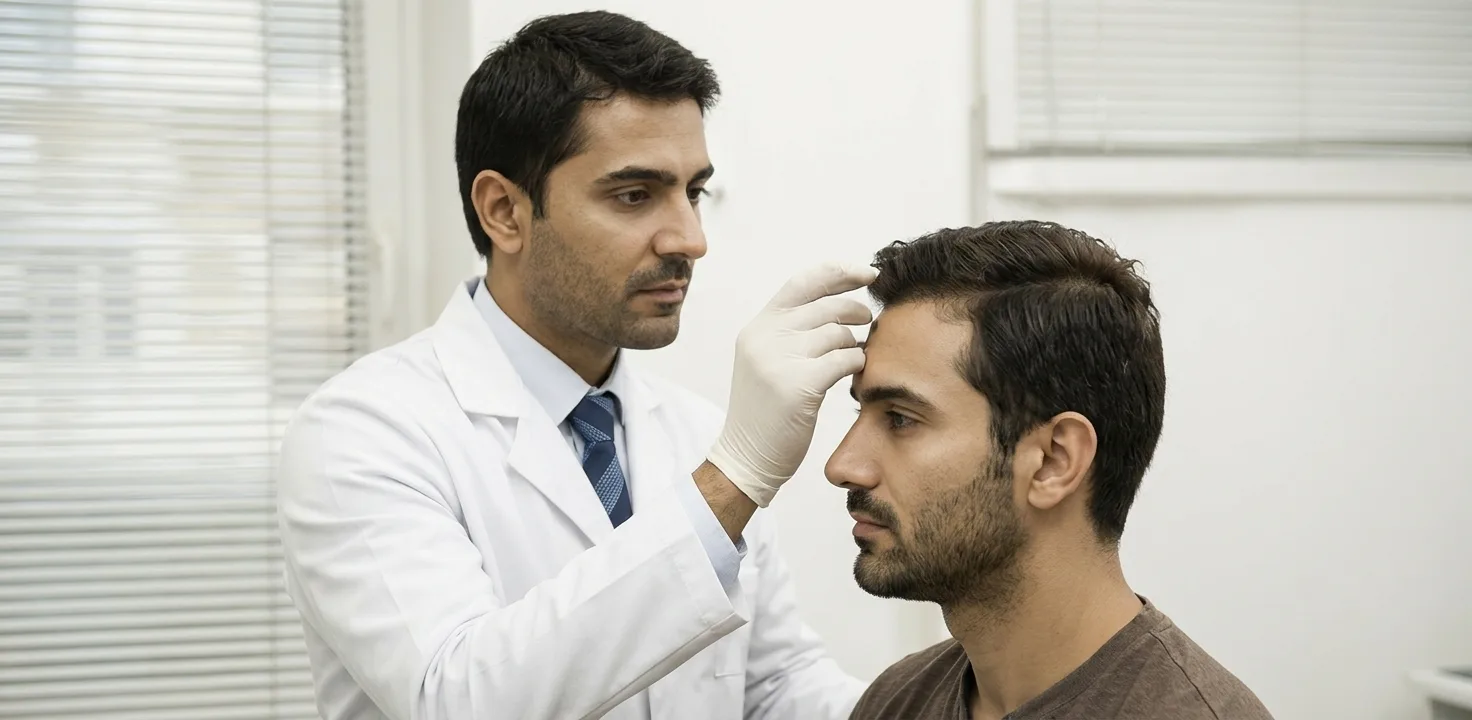
Dr. B.S. Chandrashekar
What our patients say
““I had been struggling with my skin condition for years, but the doctors at Cutis guided me with patience and care. The treatment worked wonderfully, and I feel more confident now””

Anusha A.
FUE Patient, 12 Months Post-Op““I was worried after trying multiple clinics before, but the PRP treatment for hair fall at Cutis finally gave satisfying results and boosted my self-esteem.””

Shivam B.
Medical Therapy + PRP““I had been struggling with recurring skin allergies for years, but after visiting Cutis, the treatment really calmed my symptoms and gave me lasting relief.””

Sowmya T.
FUT Patient, Crown Restoration““Their approach to my hair fall problem was very professional, and within a few months I could see visible improvement and new hair growth””

Samantha K.
Medical Therapy + PRP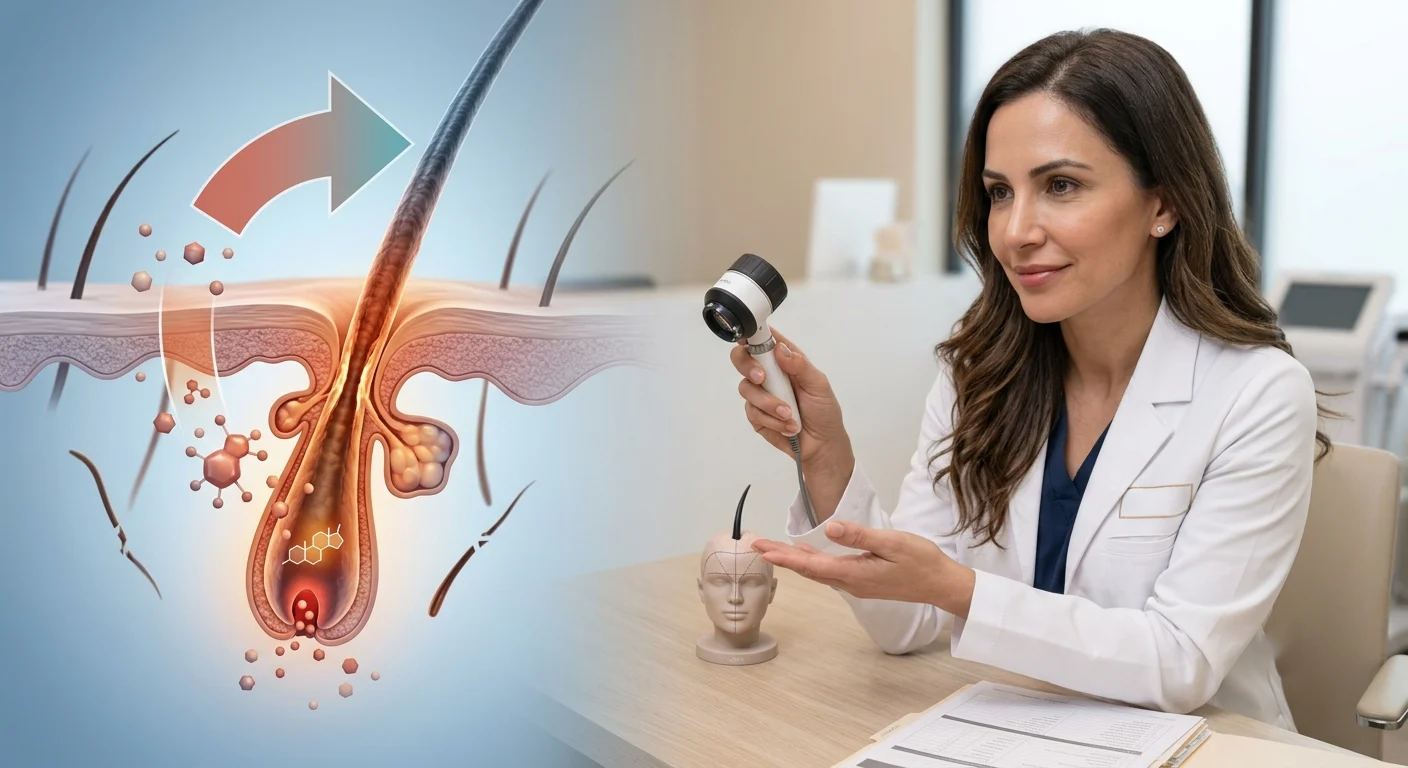
Frequently asked questions
Can't find what you're looking for? Our patient care team is happy to help.
Ask a QuestionReady to understand your hair loss and your options?
Book a one-on-one consultation with a CUTIS dermatologist and receive a personalised hair restoration plan.